
Boat Lift Service: Choosing the Right Lift for Your Boat Dock
Owning a watercraft offers unparalleled freedom, relaxation, and adventure on the open water, whether navigating serene inland lakes or coastal bays. However, protecting that valuable investment requires thoughtful marine infrastructure management. Constant immersion in water exposes hull materials to persistent biofouling, algae growth, blistering, and corrosion from mineral deposits. Furthermore, unpredictable wave action, shifting tides, and wake turbulence can cause repetitive impact damage against dock pilings when vessels remain tethered directly in the water. Establishing an effective setup for securing your vessel above the waterline is essential for preserving structural integrity and maintaining smooth operational performance. Utilizing a professional boat lift service ensures that your cradle mechanism is correctly specified, properly installed, and finely calibrated to meet the exact demands of your waterfront environment.
Selecting the ideal cradle mechanism involves far more than simply purchasing a standard piece of off-the-shelf hardware. Waterfront conditions vary dramatically depending on water depth, bottom composition, seasonal water level fluctuations, and local climate patterns. Additionally, vessel specifications such as total displacement, beam width, hull configuration, and weight distribution dictate the exact type of lifting mechanism needed. Navigating these technical variables requires specialized engineering knowledge and practical field experience. Partnering with a dedicated boat lift service allows watercraft owners to make informed decisions, ensuring that their docking systems provide maximum protection, seamless accessibility, and reliable long-term functionality for every outing on the water.
Understanding Different Types of Boat Lifts
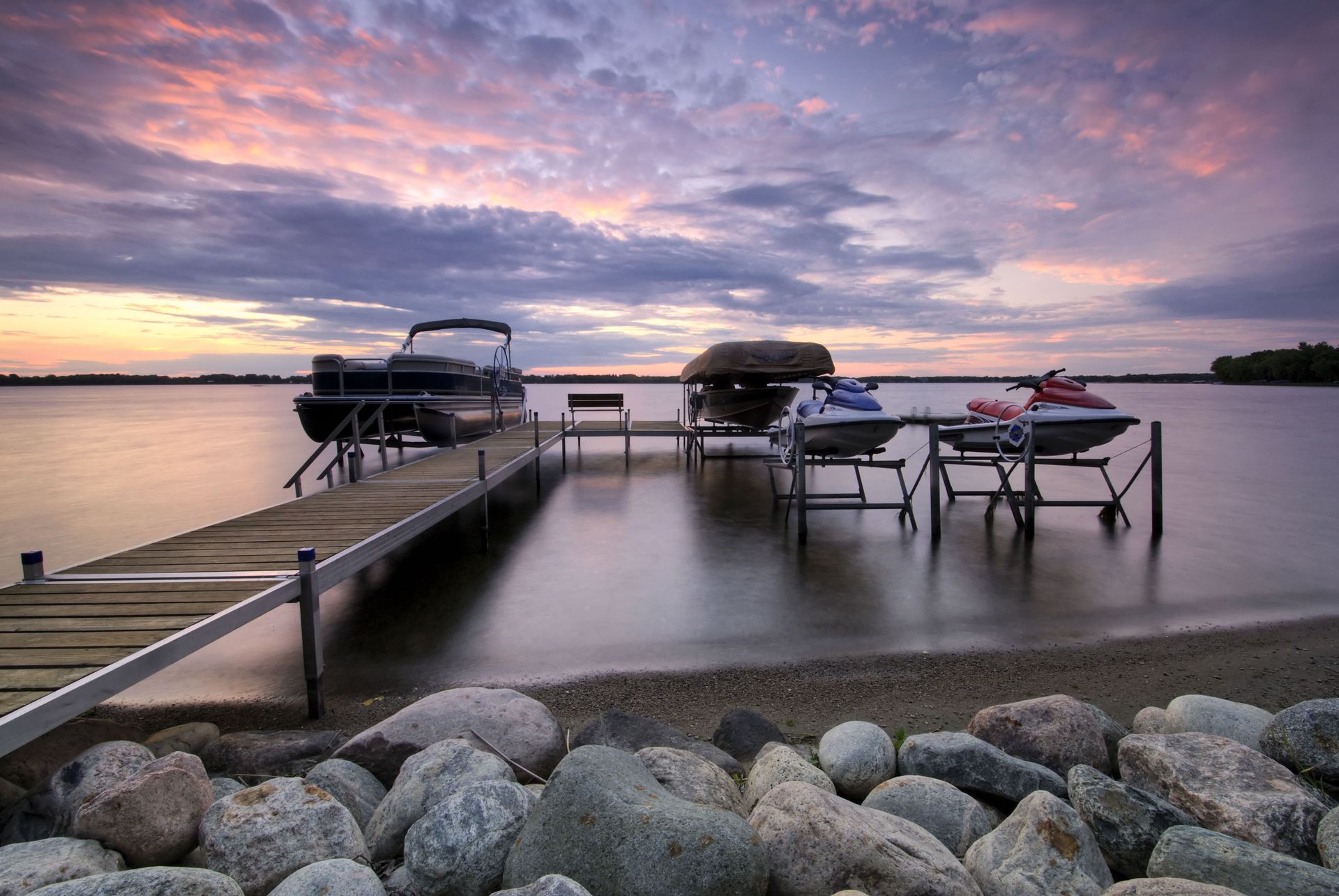
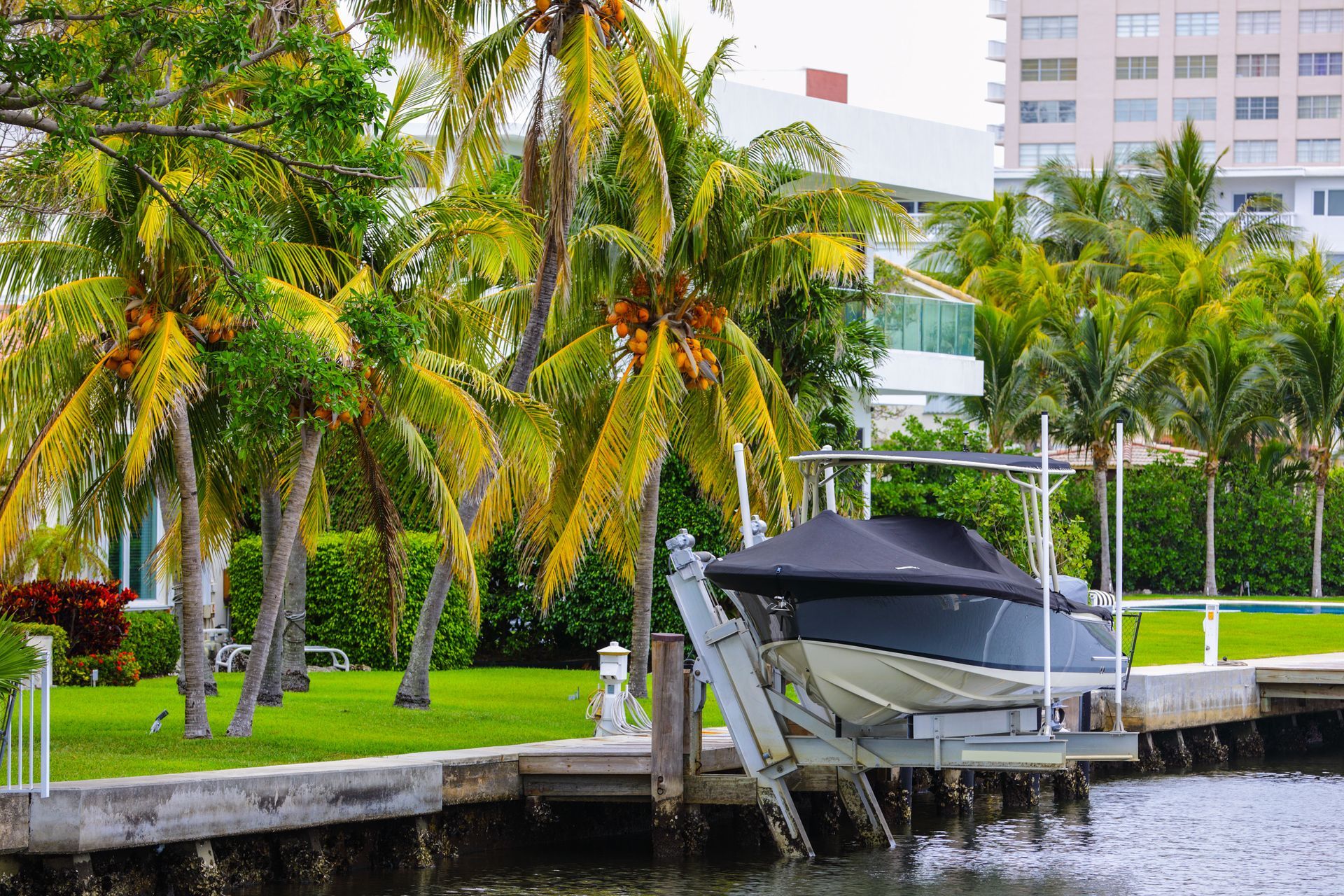
The foundation of choosing the right docking system lies in understanding the distinct mechanical options available across the marine industry. Bottom-standing models are widely utilized in shallow waters with stable, firm lakebeds. These units rest directly on the bottom sediment, using adjustable legs to maintain level positioning regardless of minor bottom contour variations. Cantilever and vertical designs within this category provide reliable mechanical leverage to elevate vessels cleanly out of the water. On the other hand, floating models utilize air-filled pontoons or heavy-duty polymer tanks to raise and lower the cradle. These systems excel in deep water or in bodies of water subject to significant water level shifts, as the structure adjusts naturally with changing tides or seasonal fluctuations.
For properties featuring existing covered slips or substantial overhead framing, pile-mounted or top-hanging configurations offer an exceptionally clean solution. These systems utilize heavy-duty drive shafts, cables, and pulleys attached directly to wood or steel pilings driven deep into the aquatic bed. Because these mechanisms lift vessels vertically out of the water, they minimize structural footprint while offering robust lifting capacities. Consulting an experienced boat lift service helps property owners analyze their physical dock structure and select the mechanical design that offers optimal lifting efficiency, smooth operation, and long-term durability.
Evaluating Waterfront Depth and Water Conditions
Environmental conditions surrounding your dock play a pivotal role in determining which raising mechanism will function effectively. Water depth is a critical factor; shallow shorelines require specialized low-profile cradles or bottom-standing units that operate without requiring deep draft clearance. Conversely, deep water environments or locations with soft, muddy bottoms make bottom-standing units impractical, requiring pile-mounted or floating solutions instead. Marine currents, high winds, and frequent boat wakes also demand reinforced framing and specialized guide posts to assist with docking during choppy water conditions.
Environmental factors and expanding marine activity continue to drive growth and innovation within the dock infrastructure sector. According to Technavio, global demand across the boat dock and lift industry is projected to expand by $287.3 million by 2029. This significant industry growth reflects a heightened focus among watercraft owners on adopting advanced, protective marine equipment. Engaging a knowledgeable boat lift service ensures that localized environmental variables, including water movement, sediment stability, and ice formation during cold seasons, are thoroughly evaluated before selecting and installing hardware.
Assessing Boat Weight and Vessel Dimensions
Accurately determining vessel weight and physical dimensions is critical when selecting supportive cradle hardware. Choosing a mechanism with insufficient capacity leads to severe mechanical strain, premature cable wear, motor burnout, and potential catastrophic failure. Calculating total weight requires accounting for more than just the manufacturer's dry weight listing. Watercraft owners must include the weight of full fuel tanks, onboard water supplies, auxiliary gear, sports equipment, installed accessories, and personal belongings. A safe approach involves selecting a capacity rating that comfortably exceeds total operational weight.
Hull shape and beam width also dictate the configuration of bunk boards, positioning guides, and support cradles. V-hull boats, pontoon craft, wakeboard vessels, and personal watercraft each require specialized support assemblies to distribute weight evenly across structural hull framing without putting concentrated pressure on fiberglass or aluminum plating. An expert boat lift service assists in matching bunk materials and geometry to your specific hull contour, preventing hull deformation and ensuring smooth, centered loading every time you return to the dock.
Selecting Power Options and Control Systems
Modern elevating mechanisms feature various power options designed to enhance operational convenience and ease of access. Manual hand-crank systems provide a simple, reliable solution for lightweight watercraft or locations lacking electrical access. However, for larger recreational vessels, electric motor drives represent the standard for effortless operation. Electric systems utilize direct-drive motors or enclosed gear assemblies to raise and lower heavy cradles smoothly at the push of a button. Solar-powered DC systems have also gained widespread popularity, offering energy independence and reliable performance even during local power outages.
Advanced control systems offer enhanced convenience, including wireless remote controls, automatic stop sensors, and digital positioning monitors. Wireless remotes allow operators to activate the mechanism while still onboard the vessel, simplifying solo docking procedures during windy or high-current conditions. Automatic limit switches prevent over-winding of cables, protecting structural beams and motor assemblies from excess stress. Working with a professional boat lift service ensures that power supplies are safely routed, control units are properly weatherproofed, and automated drive components are integrated seamlessly for effortless daily use.
Maintaining Your Equipment for Long-Term Performance
Installing high-quality marine equipment is an essential step, but ongoing care is equally vital for preserving operational safety and hardware longevity. Marine environments are inherently demanding, causing ongoing wear on moving components, drive belts, stainless steel cables, and structural welds. Regular visual inspections are necessary to detect fraying cables, cracked sheaves, loose hardware, or signs of metal fatigue before minor issues escalate into major operational failures. Drive gears and grease fittings require routine lubrication to ensure fluid mechanical movement and prevent friction damage.
Seasonal adjustments are also important for maintaining proper alignment, especially in areas subject to freezing winter ice or shifting water levels. Disconnecting electrical components, raising cradles above winter ice levels, or removing floating units prior to severe weather protects valuable equipment from structural destruction. Partnering with a dedicated boat lift service provides access to scheduled inspection programs, preventative care routines, and rapid repair support, keeping your equipment operating smoothly and safely throughout every boating season.
Choosing the right elevating equipment transforms your waterfront experience by protecting your vessel, streamlining launch procedures, and preserving long-term property appeal. By carefully evaluating water conditions, vessel dimensions, mechanical drive systems, and ongoing care requirements, watercraft owners can establish a secure, efficient docking environment tailored to their exact needs. Every component of your marine setup works together to safeguard your investment against the elements. If you are ready for a reliable marine setup, contact us at Thaler Contracting Inc today. Our boat lift service will help you select, install, and maintain the perfect elevated docking solution for your property.

Share On: