
How to Maintain Your Boat Dock: Essential Seasonal Inspections
Regular maintenance of your boat dock can help preserve its condition, functionality, and structural integrity. Seasonal inspections provide an opportunity to identify visible wear, damaged components, and other issues that may require attention. By checking the structure throughout the year, boat owners can keep track of changes caused by regular use and exposure to water and weather.
Seasonal Dock Maintenance
Check for Winter Damage
Spring is a useful time to check your boat dock for damage that may have developed during the colder months. Examine the structure for cracks, splits, warping, or other visible changes. Pay close attention to areas that appear unstable or worn, particularly components that remain exposed to water and weather throughout the year. According to Grandviewresearch.com, the docks market in the United States is expected to reach a revenue of US$685.4 million by 2030. This market information provides broader context for the continued use of docks across the country.
Inspect Hardware and Fasteners
Hardware and fasteners play an important role in keeping dock components securely connected. Check visible bolts, nuts, screws, and other hardware for looseness, corrosion, or damage. Missing or compromised hardware should be noted for repair or replacement as appropriate.
Stainless-steel hardware is used in dock and deck construction, making hardware condition an important part of any seasonal inspection. A consistent review of connection points can help identify areas that may require professional dock maintenance or repair. Keeping these components in good condition also helps maintain the structure's overall functionality.
Evaluate the Surface Condition
Dock surfaces experience regular exposure to water, weather, and foot traffic, making them an important part of seasonal inspections. Look for splintered, warped, damaged, or deteriorated boards and note any areas that may need attention. Changes in the surface can indicate that further evaluation is appropriate.
Pay attention to changes in the condition of the decking since the previous inspection. If portions of the surface appear damaged or unstable, a professional evaluation can help determine whether repair, replacement, or other dock work is appropriate. Keeping a record of noticeable changes can also make future inspections more consistent.
Check Dock Components
Attached dock components should also be inspected for visible damage, looseness, or wear. Ladders, hardware, and other components should remain secure and functional as part of the overall dock structure. Check each component for changes that may have occurred through regular use or exposure to the elements.
If a component appears damaged or unstable, include it when evaluating the dock's overall maintenance and repair needs. Note any changes in condition to ensure they can be reviewed during the next inspection. This approach can help keep seasonal maintenance focused on areas that need attention.
Summer Dock Maintenance
Monitor the Decking
Summer use makes it especially important to monitor the condition of your boat dock decking. Look for worn, damaged, warped, or deteriorated boards and pay attention to areas that receive frequent foot traffic. Changes in these areas should be noted as part of routine seasonal maintenance.
Keep track of changes in the surface throughout the season. If sections of the decking become damaged or unstable, professional dock repair can help determine the appropriate work needed to restore the structure's functionality. Regular observations can also help identify concerns before they become more extensive.
Inspect Dock Structure and Components
Summer inspections should include a close look at the dock's structural components. Examine decking, hardware, connections, pilings, and other visible components for signs of wear, movement, or damage. Areas exposed to water and weather deserve particular attention during these reviews.
Changes in alignment, visible deterioration, or damaged components may indicate that the structure requires maintenance or repair. Keeping track of these conditions throughout the year can make it easier to identify developing concerns. Professional dock inspection can help evaluate structural concerns and determine whether repair or other maintenance work is appropriate.
Check Metal Components
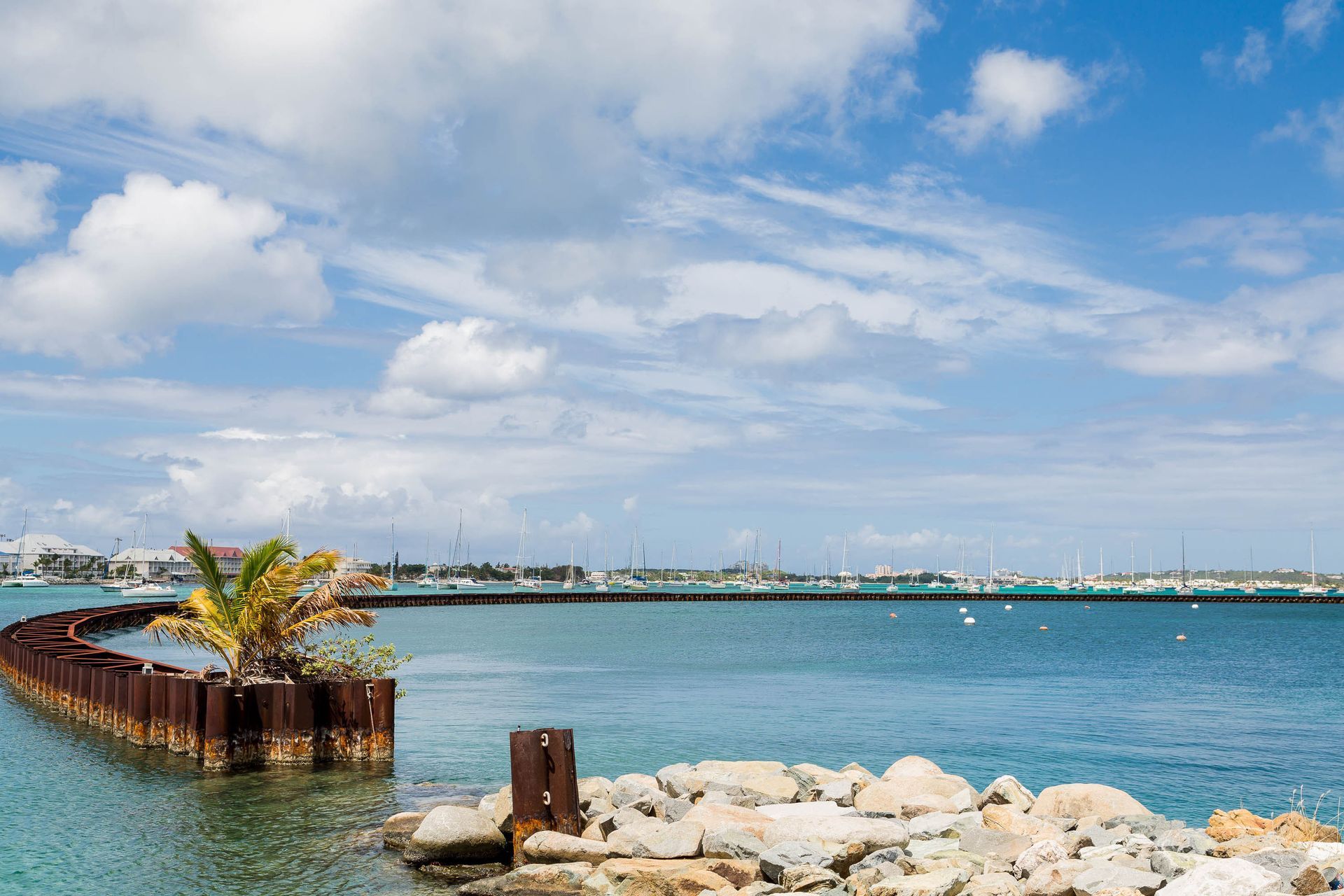
Metal components should be checked regularly for signs of rust, corrosion, looseness, or damage. Pay particular attention to hardware and other connections exposed to water and changing weather conditions. Any noticeable deterioration should be recorded for further evaluation.
When metal components show significant corrosion or damage, they should be evaluated to determine whether repair or replacement is appropriate. Addressing compromised hardware and other structural components can help preserve the condition and functionality of the structure. Regular inspections also make it easier to track changes over time.
Inspect Dock Connections
Summer inspections should include a close look at the connections that hold the dock structure together. Check visible hardware, fasteners, and other connection points for looseness, corrosion, or damage. Also examine areas where different components connect, including decking, structural framing, and pilings.
Changes in alignment, movement, or visible deterioration may indicate that a component requires repair or replacement. Keeping track of the structure's condition throughout the year can help identify developing maintenance needs. If structural components show signs of damage, a professional dock inspection can help determine whether repair or other work is appropriate.
Fall Dock Preparation
Review Dock Components
As fall approaches, review the dock's attached components and any removable items that may be affected by changing weather conditions. Inspect these items for damage or deterioration and address concerns that could affect the structure's functionality. Reviewing these areas before colder weather arrives can help identify maintenance needs.
Keep track of any components that require attention, so they can be addressed as part of the structure's ongoing upkeep. Note visible changes in condition and review them during the next inspection. This creates a consistent record of seasonal maintenance needs.
Conduct a Structural Safety Check
Fall is a useful time to conduct an extensive structural check before winter. Assess the dock's primary structures for visible weaknesses, deterioration, or other changes in condition. Pay particular attention to areas that remain submerged or in frequent contact with water.
Wooden docks should be checked for signs of deterioration, while structural components and pilings should be examined for visible damage or changes in stability. Document any concerns that may require attention. A clear record can help guide future maintenance decisions.
If the structure shows signs of structural deterioration or damage, a professional dock inspection can help determine whether repair or other maintenance work is appropriate. An inspection can also help identify components that may need closer evaluation. Addressing documented concerns provides a clear starting point for any necessary work.
Service Boat Lifts
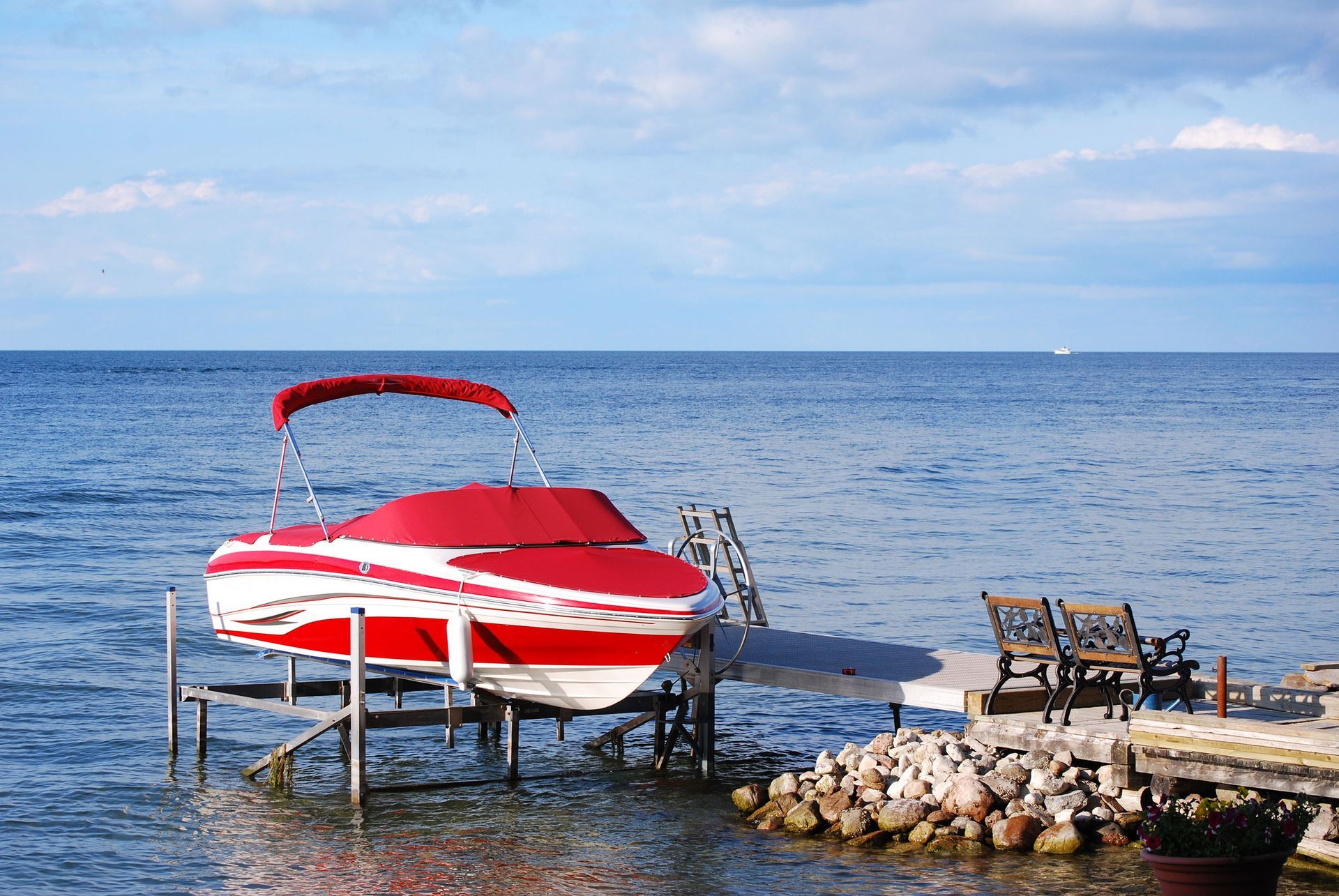
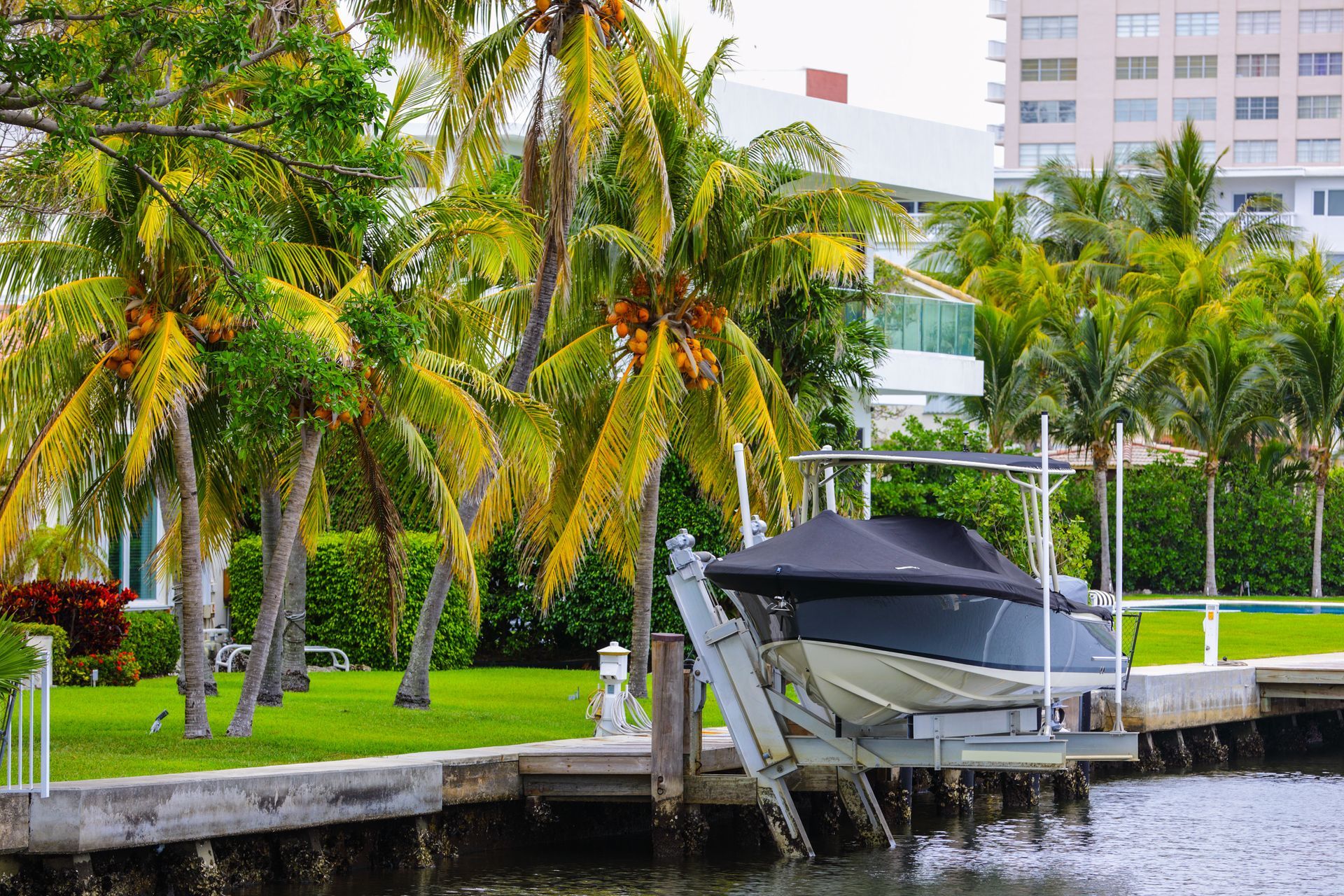
Fall is also a useful time to inspect and service a boat lift. Look for visible signs of wear or damage and pay attention to cables, pulleys, hardware, and other lift components. Note any changes that may affect the lift's condition or operation.
Regular boat lift maintenance can help identify components that may require adjustment, repair, or replacement. Keeping records of maintenance and repairs can also make it easier to monitor the condition of the lift over time. Consistent inspections can help identify changes that warrant further attention.
If an inspection identifies a significant concern, the boat lift can be evaluated to determine what service or replacement work may be necessary. Maintenance records can provide useful information when reviewing the condition of the equipment. Professional boat lift maintenance and repair can address identified service needs.
Seasonal inspections provide a practical way to monitor decking, hardware, pilings, connections, ladders, and other structural components throughout the year. Regular attention can help identify changes in condition and determine when professional maintenance or repairs may be needed. To learn more about boat dock inspection, maintenance, repair, and boat lift services, turn to Thaler Contracting Inc for waterfront construction solutions tailored to your property.

Share On: